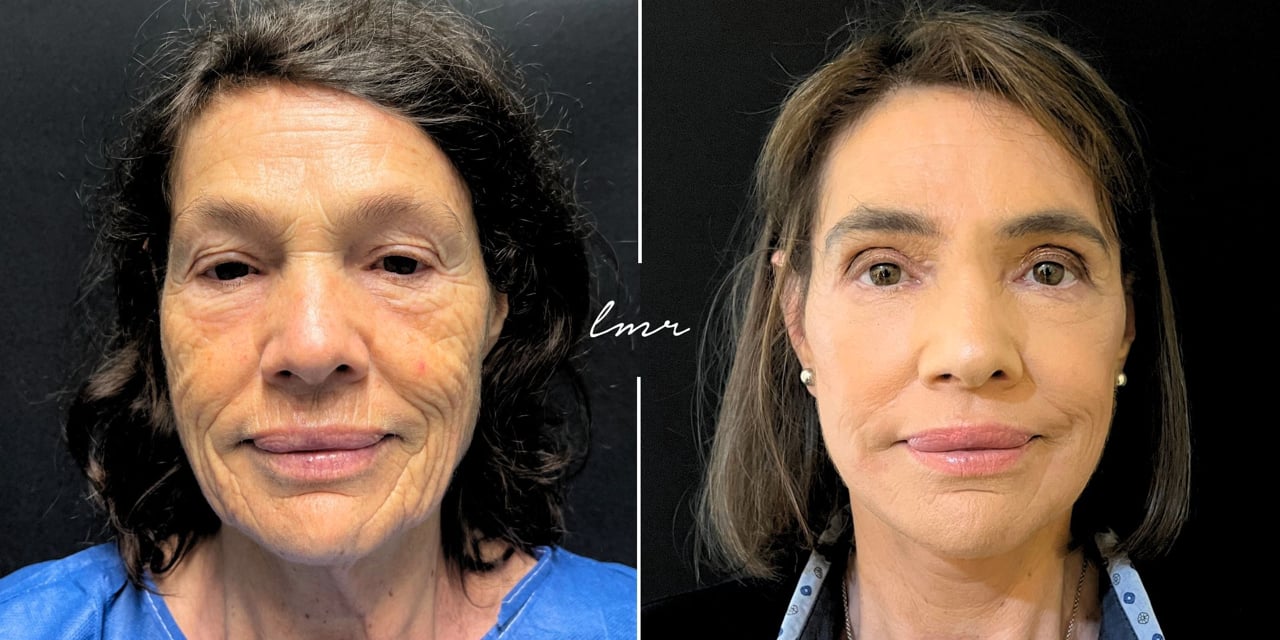


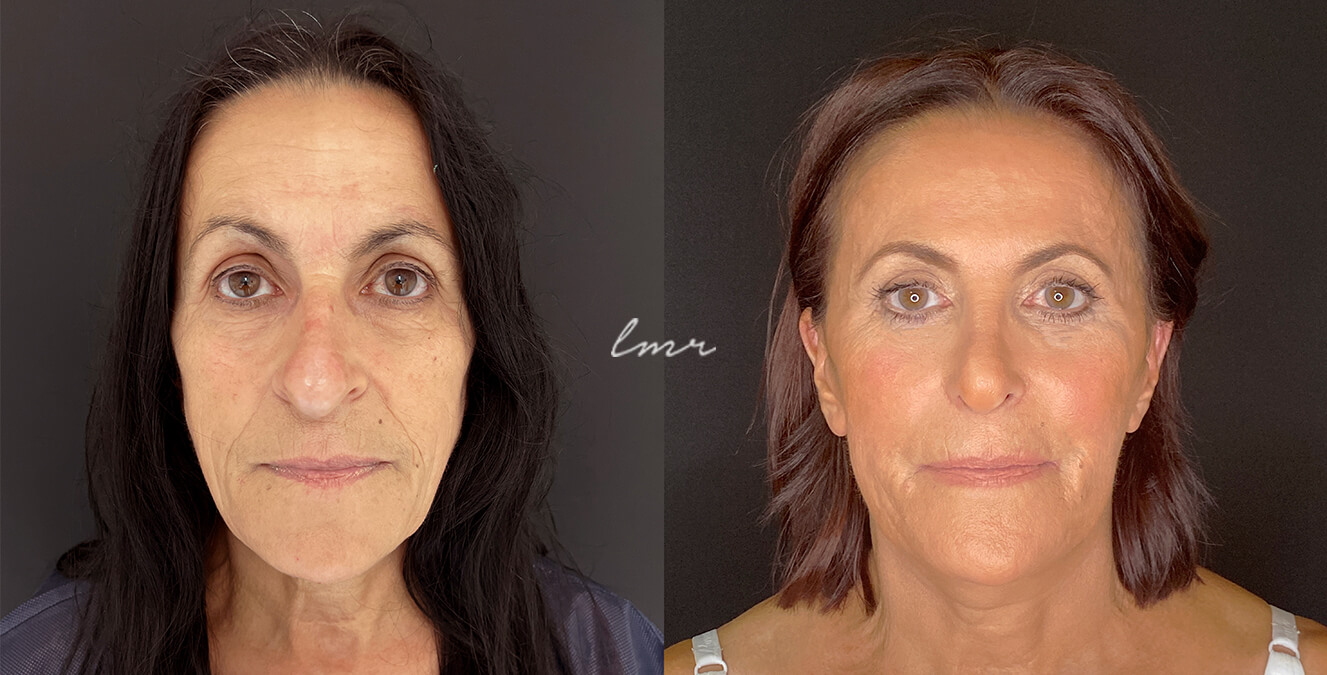


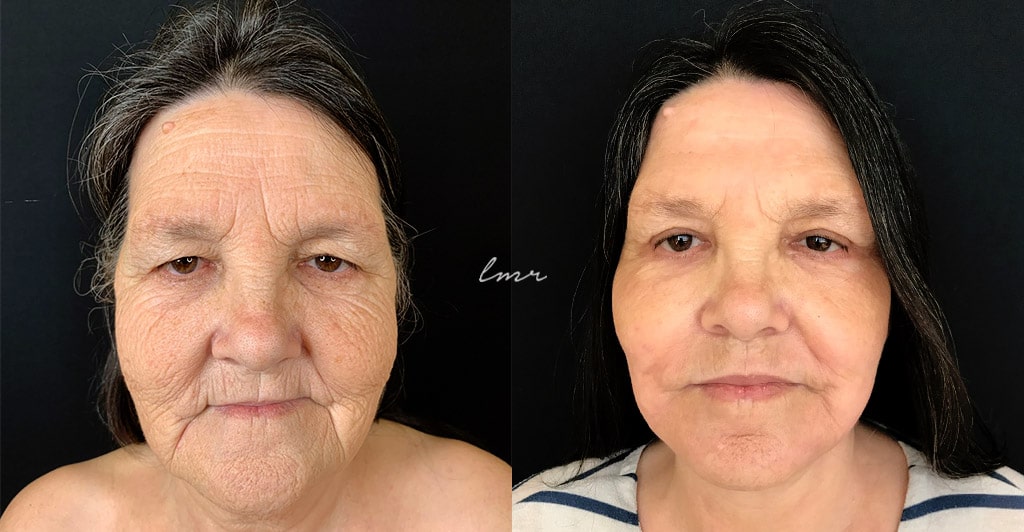





Facelift with Blepharoplasty + Face Fat Grafting
What are fat injections?
Fat grafting, also known as fat transfer or fat injections, is a surgical procedure designed to improve the appearance of the face by re-implanting autologous fat cells (the patient's own fat).
As we get older, the skin loses elasticity and volume in some areas and the facial contour becomes less defined. Wrinkles become more pronounced and jowls can develop along the jawline.
Fat grafting is an effective facial rejuvenation treatment for restoring lost volume in certain areas of the face, as well as treating and preventing wrinkles from becoming deeper. The procedure uses the patient's own body fat, harvested through liposuction (usually from the abdomen, flanks, culottes or inner thighs), to graft it strategically to the areas of the face that have lost volume or have more pronounced wrinkles. The harvested fat is purified before being injected into the face, and since it is the patient's own fat, the risk of rejection is minimal.
Who they are suitable for
fat injections in the face?
Good candidates for facial fat grafting usually have the following characteristics:
- Low or drooping cheekbones
- Pronounced nasolabial folds
- Wrinkles and creases on the face
- Deep dark circles
- Jowls along the jawline
- Good general health
- Non-smoking
- Mentally stable patients with realistic expectations about the results of surgery.
Testimonials of our patients
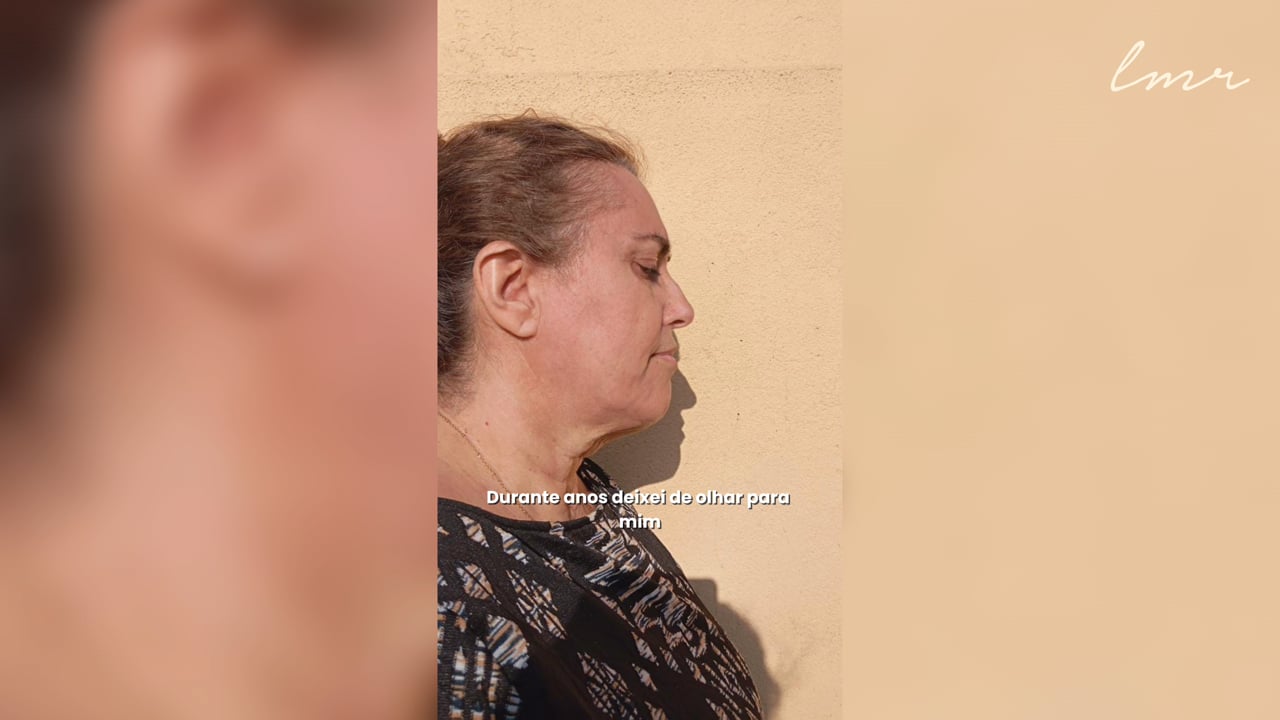
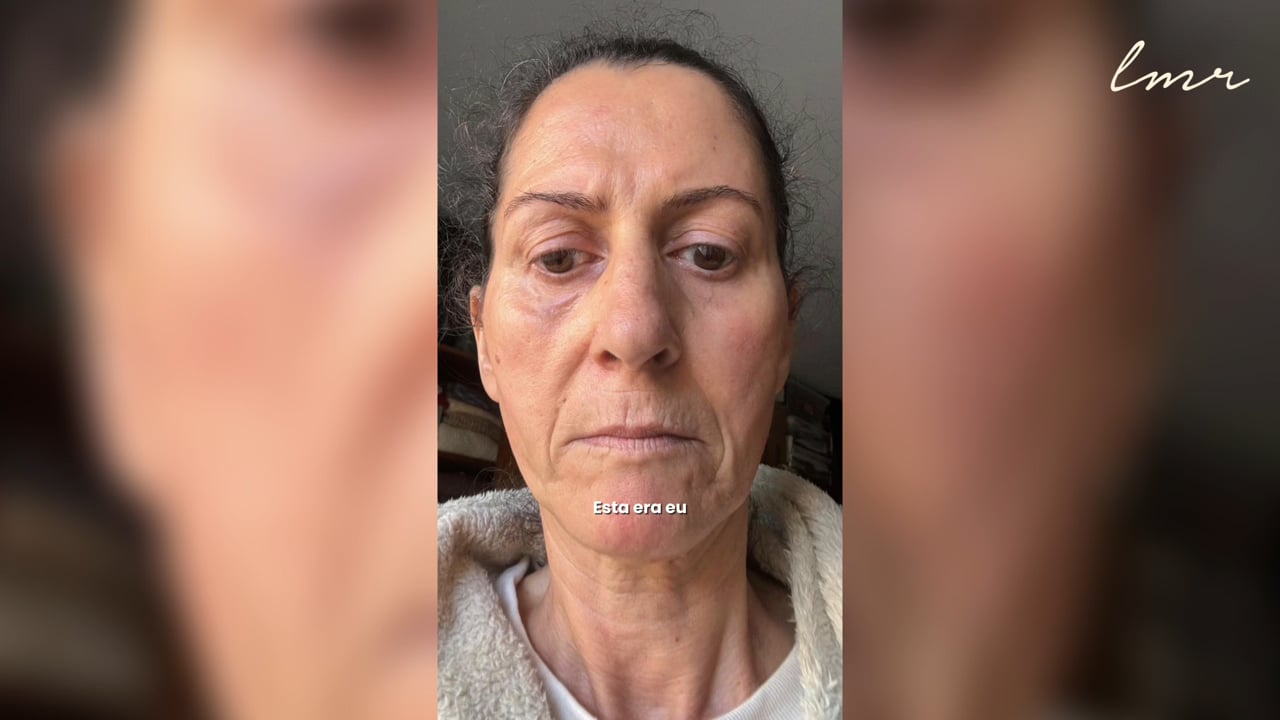
Read real-life stories of transformation, confidence and wellbeing shared by people who have chosen to receive medical care at Clínica LMR in Lisbon, Porto and Cascais.
Video Stories


Surgery Procedure
of fat injections
YOUR FAT GRAFTING APPOINTMENT

Counselling
The first step in your facial fat grafting consultation is to share with your plastic surgeon what is bothering you, your expectations of the surgery and the degree of rejuvenation you want to achieve;

Treatment plan
Depending on the initial state of the face and the desired result, a treatment plan will be outlined for a rejuvenated and natural appearance;

Detailed explanation
During the consultation, all the risks of fat injections will also be explained, as well as pre- and post-operative care;

Budget
After the medical diagnosis, you will be given an exact quote for fat grafting according to the surgical plan that has been drawn up and you can book your surgery date. The price of the surgery depends on the initial state of the face, the amount of fat to be harvested and injected and the combination of procedures.
In which areas can the fat be harvested?
Fat can be harvested from any area of the body where fat is available. The most common areas are:
- Belly;
- Flanks;
- Back;
- Culottes;
- Inner thigh.
On which areas of the face
can it be injected?
Fat can be injected into areas of the face that have lost volume and contour over the years. The most common areas are:
- Cheekbones;
- Dark circles;
- Temples;
- Nasolabial folds;
- Lips;
- Facial creases, wrinkles and depressions.
Advantages and disadvantages
fat grafting on the face
Advantages
- Body fat is the safest and most natural filler and because it's your body's own fat, the risk of rejection is minimal;
- Fat doesn't just restore lost volume. There is some evidence to suggest that the stem cells found in fat injections provide a rejuvenating effect on the appearance of the skin where the fat is injected;
- The fat that remains after the injection process becomes living tissue, giving a long-lasting result that cannot be achieved with other fillers;
- As fat is usually harvested from your own body, this procedure gives you the opportunity to achieve an overall improved body contour by removing areas of fat deposits;
- The long-term costs associated with maintaining the result are lower with fat grafting than with hyaluronic acid fillers, which require maintenance every 9-12 months;
Disadvantages
- Fat grafting procedures involve surgery with anaesthesia and associated risks;
- The initial costs exceed those of using hyaluronic acid fillers;
- It involves a recovery time of 3 to 7 days;
- Fat grafting requires surgery on other parts of the body and therefore has the risks, albeit minimal, of liposuction.
Advantages and disadvantages of filling
wrinkles with hyaluronic acid
Advantages
- Hyaluronic acid fillers have an excellent track record in terms of patient safety;
- No surgery and no anaesthetic. Before the treatment, only topical anaesthesia is applied and it can be carried out in the office in a short space of time;
- No recovery time;
- Initial treatment costs are lower than those for fat grafting;
- The effect is reversible, meaning that the hyaluronic acid can be dissolved fairly quickly and safely with a simple injection of another substance.
Disadvantages
- Although very rare, there may be a risk of allergy or rejection;
- The results of hyaluronic acid fillers are temporary and require ongoing maintenance over time - usually after 9 to 12 months;
- In the long term, the cost of hyaluronic acid fillers, especially in patients with very marked signs of ageing, can be higher.
The scars facial fat grafting
One of the great benefits of facial rejuvenation with fat grafting is that it leaves no apparent scars. The scars are millimetre-long incisions located in the body's natural folds, through which the liposuction cannula is inserted to harvest the fat. Once centrifuged, the fat is infiltrated into the face through injections - this second process leaves no scars.
Type of Anaesthesia
Generally, fat grafting to the face is performed under sedation and local anaesthetic - it essentially depends on the combination of procedures and the characteristics of each patient. It is up to the anaesthetist to decide the type of anaesthesia for each particular patient.
What results can I expect
after a facial fat graft?
Facial rejuvenation with fat grafting will give you a younger, more natural appearance without looking like you've undergone surgery. The results of fat grafting are long-lasting, but no surgery guarantees results for life.
Surgical intervention doesn't stop the natural ageing process and as we continue to grow older, the sagging of the skin and the relaxation of the facial muscles continues to occur.
You will obviously look better and have less wrinkles than if you hadn't had the surgery. On the other hand, some of the fat that is injected is reabsorbed by the body and it's not possible to predict exactly what percentage will be properly integrated into the tissues where it was injected (30 to 50% is expected), so it may take more than one session to achieve the desired results.
Fat grafting
facial step-by-step
1
Marking the standing patient
Before administering the anaesthetic, markings are made on the face and in the area where the fat will be harvested;
2
Sedation
Sedation is administered intravenously by the anaesthetist who will be present throughout the surgery. Local anaesthetic is then injected into the area to be treated so that the patient does not feel any pain during the surgery;
3
Disinfection and placement of surgical drapes
The entire face and fat collection area are cleaned and disinfected to reduce the risk of infection. Operating drapes are placed to isolate the intervention area from the external environment;
4
Harvesting the fat
The cannula is inserted into the area where the fat will be harvested. The liposuction cannula is connected to a vacuum suction pump that sucks the fat out;
5
Fat purification
The extracted fat is purified and the fat cells that will be used are put into injections;
6
Fat injection
Purified fat is injected into areas of the face to restore lost volume and improve contours;
7
Recovery
The patient is woken up by the anaesthetist and then transported to the recovery room where they remain under observation for a few hours until they are discharged.
Preparation for Surgery

Before the surgery:
- Carry out all medical examinations and analyses and send them at least one month in advance;
- Do not take anticoagulant medication including aspirin two weeks before fat grafting. You should inform the medical team of any medication you take or any medical condition you suffer from;
- Do not take weight-loss medication one month before the intervention;
- Do not smoke one month before surgery and while the healing process is underway. Smoking impairs tissue oxygenation and can make healing and the attachment of fat to the face more difficult;
- If you catch a cold or suffer from a bad mood in the days before surgery, you should inform the medical team immediately;
- Read all the documentation you've been given carefully as you may have questions before the day of the surgery;
- Organise your routines in advance so that you can recover calmly for at least three days;
- If you still have doubts about filling in wrinkles with fat grafting, don't wait until the day of your surgery and ask all your questions first.

On the day of surgery:
- The day before, eat light meals that don't cause indigestion. Fast for a full 8 hours - do not eat or drink liquids, including water;
- The day before and the day of surgery, shower with antiseptic gel to reduce the risk of infection;
- No jewellery or watches, no creams, make-up or hand polish/gel;
- Do not wear contact lenses;
- Bring comfortable clothes to wear when you are discharged - preferably with buttons or zips;
- After discharge, you cannot go home alone or drive. If you don't have someone to accompany you home, you must inform us in advance. You must be accompanied for at least 48 hours;

Recovery and post-operative care:
- You may feel discomfort during the first 3 days, but you shouldn't expect to feel pain;
- Rest and avoid any kind of exertion for the first 8 days;
- Do not massage the area where the fat has been injected until further notice;
- Do not drive for 8 days;
- No smoking;
- Do not expose yourself to the sun;
- You shouldn't always lie down at home. Short walks are important to promote circulation;
- Sleep with your head on a high pillow;
- Apply cold compresses to prevent excessive oedema;
- Attend all post-operative appointments;
- Drink plenty of water and eat a balanced diet;
- You can return to work after 3 to 7 days.
Benefits fat grafts
Improves skin quality: The harvested fat contains stem cells that provide growth factors, which contribute to long-term facial rejuvenation.
Provides long-lasting results: The results of facial fat grafting usually last several years, or may even be permanent. On the other hand, the results obtained with fillers usually last 6 to 9 months.
They don't cause an allergic reactionBecause facial fat grafting uses the patient's own fat, the immune system doesn't take it as a threat when it's injected into the face.
Natural results: Facial fat grafting produces very natural results to the eye and touch because it is a natural substance from the body.
Shorter recovery time: Facial fat grafting has a shorter recovery time when compared to surgical procedures such as a facelift.
Improved contouring of problem areas: Facial fat grafting gives you the opportunity to get rid of fat from parts of the body where fat deposits are often difficult to remove.
Medical Specialists

About
Dr Luísa Magalhães Ramos / Plastic Surgery
DOCTORS' ASSOCIATION: registration no. 42810, specialising in Reconstructive and Aesthetic Plastic Surgery.
Graduated from the Faculty of Medicine of the University of Porto, specialising in Plastic, Reconstructive and Aesthetic Surgery, He specialised in University Hospital Centre Lisboa Central - St Joseph's Hospital.
Throughout his training, he sub-specialised in the area of Aesthetic Plastic Surgery, He has worked in world-renowned centres. At the same time, he also worked on breast reconstruction and the reconstruction of facial malformations.
She is currently working mainly on Aesthetic Plastic Surgery of the Face (eyelids, nose and cervical-facial lift), Breast Surgery and Female Genital Surgery.


About
Dr Alice Varanda Pereira / Plastic Surgery
DOCTORS' ASSOCIATION: registration no. 47051, specialist in Reconstructive and Aesthetic Plastic Surgery and Subspecialist in Aesthetic and Cosmetic Medicine.
Graduated by Lisbon Medical School, It was at this institution that she took her Master's degree in Human Sexuality and is currently working on her PhD.
She has been a member of the faculty's teaching staff since 2008, as Assistant Professor at the Institute of Anatomy. It is in this unit that she produces most of her research projects, essentially in the area of surgical anatomy, and she is also the supervisor of master's theses.
About
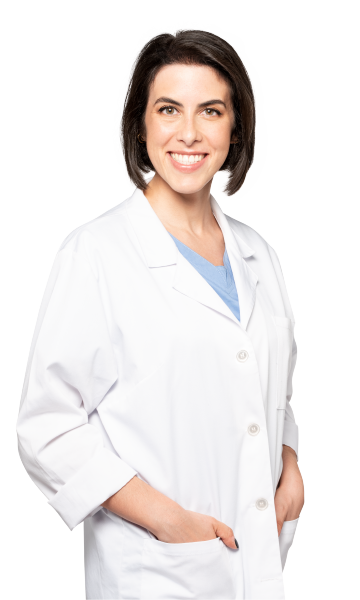
Dr Mariana da Rocha Martins/ Plastic Surgery
DOCTORS' ASSOCIATION: registration no. 55124, specialising in Reconstructive and Aesthetic Plastic Surgery.
He graduated from Abel Salazar Institute of Biomedical Sciences at the University of Porto and completed his speciality in Plastic, Reconstructive and Aesthetic Surgery at the University Hospital Centre Lisboa Central - St Joseph's Hospital.
During her specific training in Plastic Surgery, she worked at internationally renowned institutions such as the Kaplan Institute (Barcelona), in La Clinic (Montreux) and Great Ormond Street Hospital (London).

About
Dr Marta Gouveia Duarte/ Plastic Surgery
DOCTORS' ASSOCIATION: registration no. 57817, specialising in Reconstructive and Aesthetic Plastic Surgery.
Graduated in Medicine from School of Health Sciences, University of Minho, where she completed her Master's thesis in Human Ageing.
He completed his speciality in Plastic, Reconstructive and Aesthetic Surgery at the Centro Hospitalar de Lisboa Central - Hospital de São José.
Collaborates in various research projects in NOVA Medical School.

About
Dr Filipa Oliveira/ Plastic Surgery
DOCTORS' ASSOCIATION: registration no. 59147, specialising in Reconstructive and Aesthetic Plastic Surgery.
Graduated in Medicine from Faculty of Medicine, University of Porto, where she completed her master's thesis on paediatric scars.
She holds a doctorate in medicine from the University of Münster in Germany.
After completing her speciality, she became a Senior Graduate Assistant (Oberärztin) at the Fachklinik Hornheide and the University of Münster. She is currently collaborating on various research projects at the University of Münster, where she is supervising doctoral students. Dr. Filipa is also a regular correspondent for scientific and leisure magazines in Germany.


Frequently Asked Questions about
Face Fat Grafting
Is facial fat grafting a safe procedure?
Any surgery has associated risks and fat grafting is no exception. For the surgery to be carried out safely, it is of great importance to choose a reconstructive and aesthetic plastic surgeon who is registered with the Portuguese Medical Association and has several years' proven experience in performing fat grafting and facial surgery.
How much do facial fat injections cost in Lisbon?
The price of fat grafting on the face depends on the degree of skin ageing, the amount of fat to be aspirated and injected and the combination of procedures. Fat grafting is often combined with other facial rejuvenation surgeries such as upper and/or lower blepharoplasty, brow lift, face or neck lift, peels and CO2 laser. The exact amount of fat grafting will be confirmed on the day of the consultation after medical diagnosis.
What anaesthetic is used?
The anaesthetic administered depends on each patient and the combination of procedures, but fat grafting is generally carried out under sedation and local anaesthetic.
What is the ideal age for fat grafting on the face?
There is no specific age for fat grafting to the face. The surgery is indicated when there are noticeable changes in the face that bother the patient, ideally without causing too much visible ageing (between 45 and 55 years old). The sooner the surgery is carried out, the less drastic the change will be and the more natural the result will be.
Are there non-surgical alternatives to fat grafting?
If your goal is to restore lost facial volume but you'd rather avoid surgery, LMR Plastic Surgery offers minimally invasive alternatives. These hyaluronic acid fillers can add volume to cheekbones, lips, dark circles, wrinkles and furrows, among other areas, depending on what you want to improve. Although the effects are not permanent and usually last between 9 and 12 months, these fillers can help minimise the appearance of an ageing face without subjecting you to the risks of surgery. Our team can suggest an ideal treatment plan based on your needs and concerns.
Are the results of fat injections artificial?
No. One of the great benefits of fat grafting is that it provides a natural result to the eye and touch. Because it is the body's own fat, the result will be very similar to that of a natural, fuller, younger face.
Will I look like I've got a swollen face?
Immediately after fat grafting you'll notice that your face is swollen, but don't worry as this doesn't correspond to the final result. The visible swelling during the first month after surgery is essentially due to post-operative oedema. As time goes by it diminishes, leaving a fuller but very natural result. It's important to know that in the months following surgery, your body will absorb 30 to 50% of the injected fat, so the result will be even more natural.
How long do facial fat grafting results last?
It is not known for sure how long the fat graft lasts. During the first few months, between 30 and 50% of the injected fat is reabsorbed. The remaining fat usually remains for many years or even permanently. The survival of the fat graft depends on the technique used and the site where it is injected. There is greater survival in the cheekbones and lower eyelid regions, and less survival in more mobile regions, such as the peribuccal area.
Can gaining or losing weight after fat grafting compromise the result?
As we get older we tend to gain some weight, which is natural and expected, while losing some facial volume. Generally speaking, losing or gaining around 10 kilos won't make a difference in most cases.
However, patients who are overweight or have a very variable weight may not be ideal candidates for fat grafting.
Can my body reject fat?
One of the main advantages of this surgery is that, because it involves fat from your own body, the risk of rejection, allergies and adverse effects is very low.
What is the recovery time and when can I return to work?
Depending on their treatment plan, most patients can return to normal activity in 3 to 7 days. Some bruising and mild swelling at the site of the liposuction is common, but it dissipates a few weeks after the procedure. You can use make-up to disguise any bruising you may still have so that you can return to work comfortably.
How painful is the post-operative period?
In the post-operative period you may feel mild discomfort, but pain is not expected. Moderate swelling, bruising and a feeling of numbness may occur, but these are transitory symptoms that disappear after a few days.
What are the risks of surgery and anaesthesia?
Fat grafting to the face is a safe surgery, but like any surgical procedure, it is not without its risks and complications. Some of the complications of fat grafting include: infection, delayed or unsightly healing, changes in skin sensitivity, contour irregularities, asymmetry, fat resorption, etc. The risks and complications of surgery will be explained in detail during your consultation.