


















Breast Augmentation: what is it?
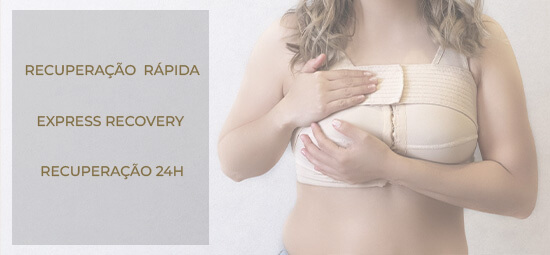
Recovery Fast
At our clinic we have been using this surgical method for over 10 years, with experience and results proven by the low percentage of complications.
Our aim is for recovery to be as comfortable and quick as possible, but always prioritising safety and low complications.
More important than recovering quickly is that everything goes smoothly, without any avoidable complications.
What is breast augmentation?
Breast augmentation is a surgical procedure that aims to increase the size of the breast by placing breast implants.
Breast augmentation is the most commonly performed plastic surgery worldwide and has the advantage of being “personalised” according to the patient's physical characteristics and the sizes, shapes, profiles and textures of breast implants chosen.
At our clinic, we apply the Rapid Recovery, It is used in all breast augmentation surgeries, allowing the patient to have a comfortable, short and mobile recovery hours after surgery.
Who it's for
breast augmentation?
Women who undergo breast augmentation do so to improve their body image and proportion.
Our patients usually seek this procedure because they want it:
- Enlarging her breasts, since they had never developed to a size that met her expectations;
- To balance any existing disharmony;
- Restore the natural volume of the breasts that may have changed as a result of weight loss, pregnancy or ageing.
Candidates for breast augmentation must be emotionally mature and understand their own motivations for having it done.
The size and shape of your breasts before surgery will influence both the techniques required and the final result.
Why choose us for your Breast Augmentation?
- We are one of the clinics in Portugal with the most experience in breast augmentation surgery;
- We're a female 100% team, which allows us to talk to women about women;
- Natural results in line with each patient's expectations;
- Our patients speak for themselves, we are the clinic in Portugal with the most testimonials;
- We applied the Rapid Recovery, in all breast augmentation surgeries;
- We have developed a “No-Pain” anaesthesia technique, which allows for high comfort in the post-operative period;
- We offer dedicated support, available 24 hours a day in the post-operative period;
- We show our results live, both on television and on social media.
- We have payment facilities. For more information on payment facilities, please contact us via the contact form or by email - geral@lmrcirurgiaplastica.pt
Looking for a breast augmentation less invasive?
Not all women are looking for a traditional breast augmentation.
For those who want a less invasive, subtle and scar-free approach directly to the breast, LMR also offers the Mia® - an innovative, minimally invasive breast harmonisation technique.
What results can I expect
After getting breast implants?
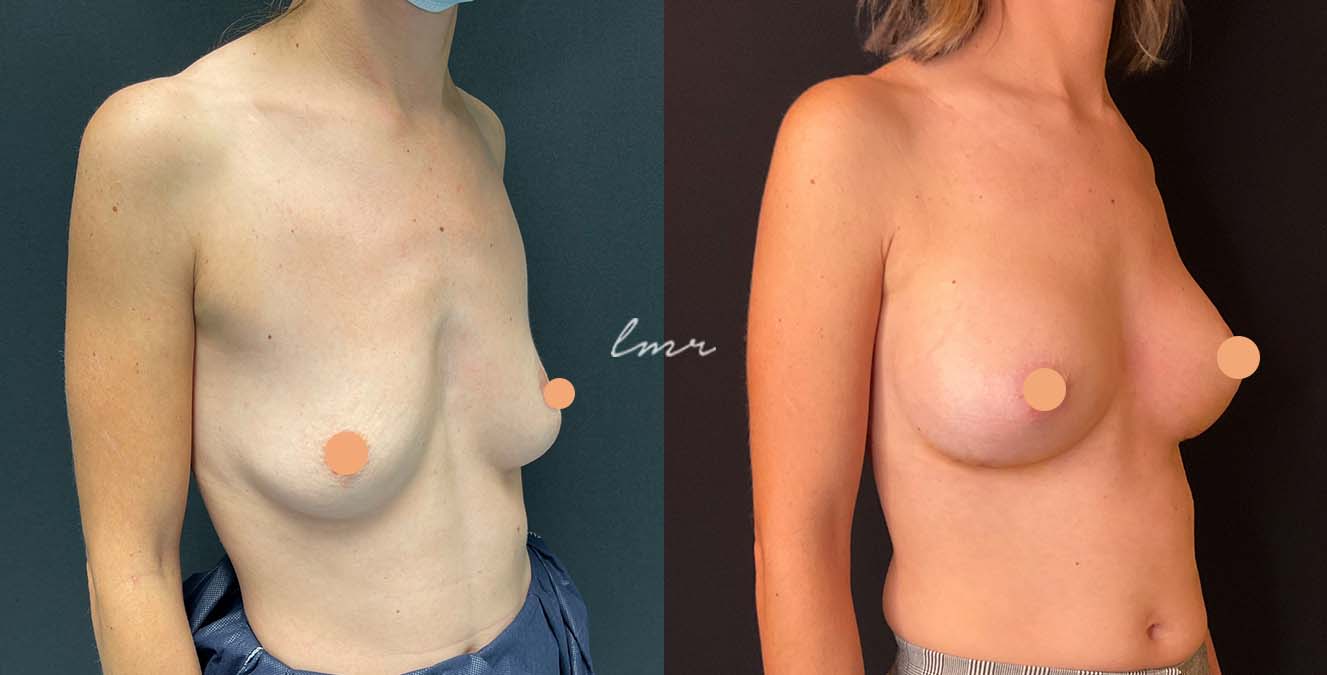
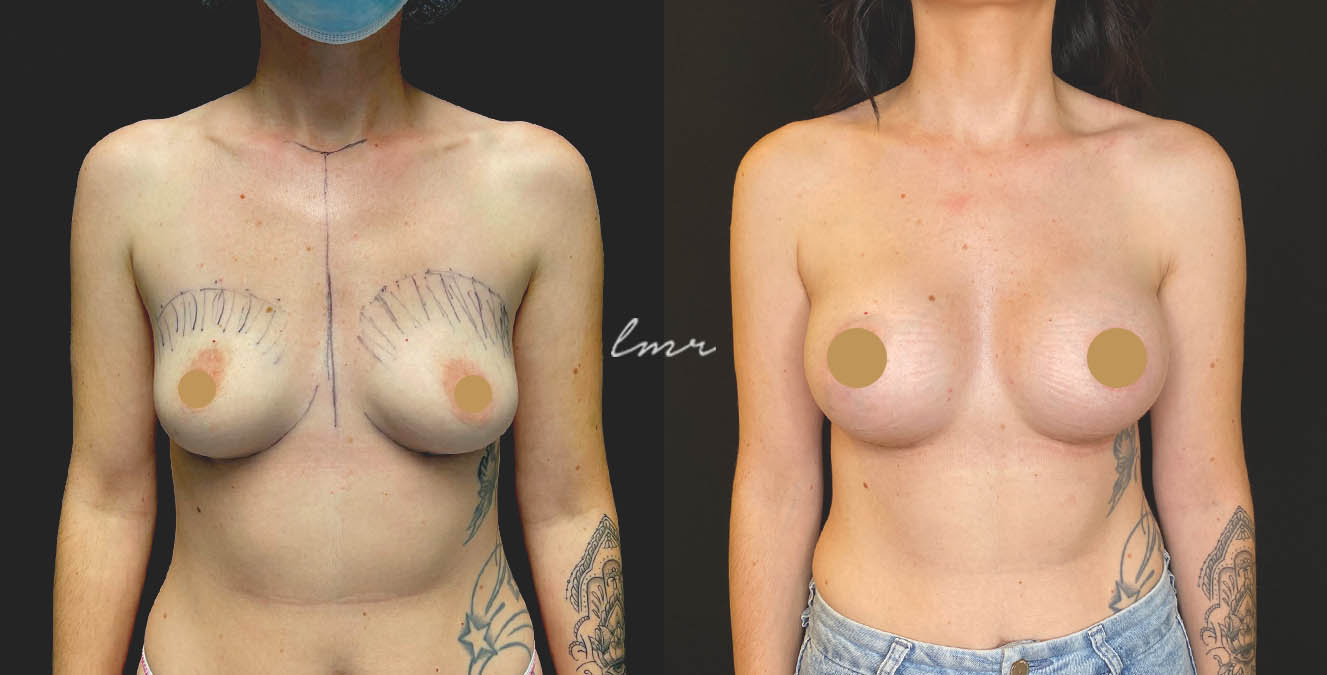
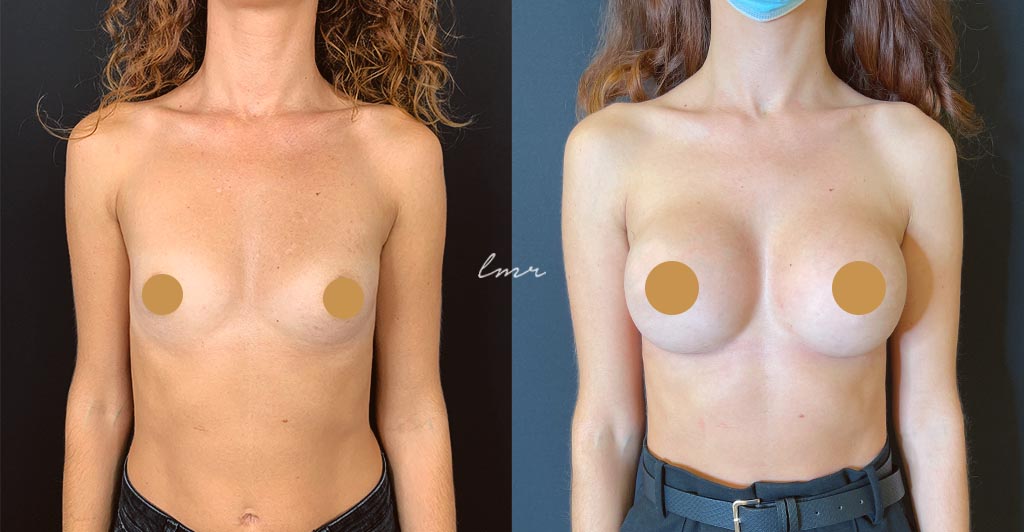
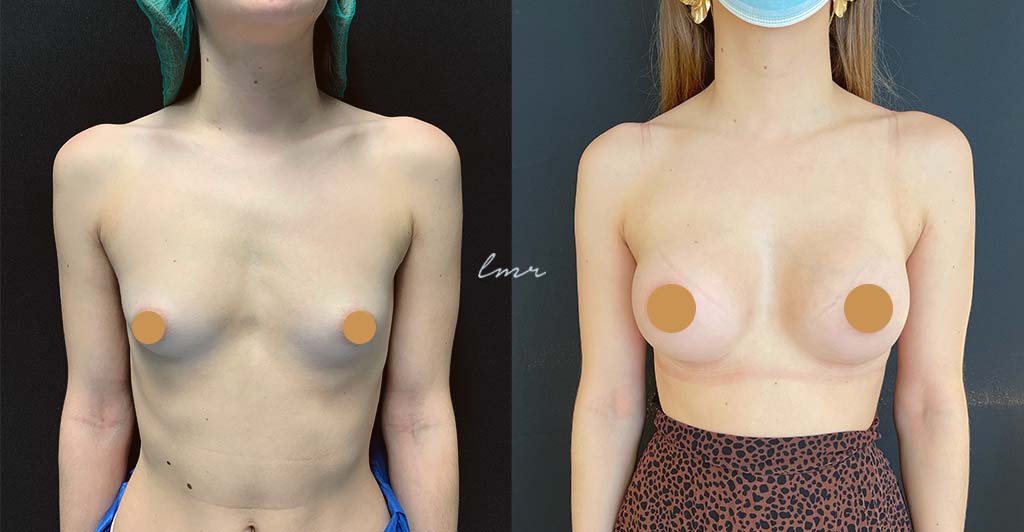
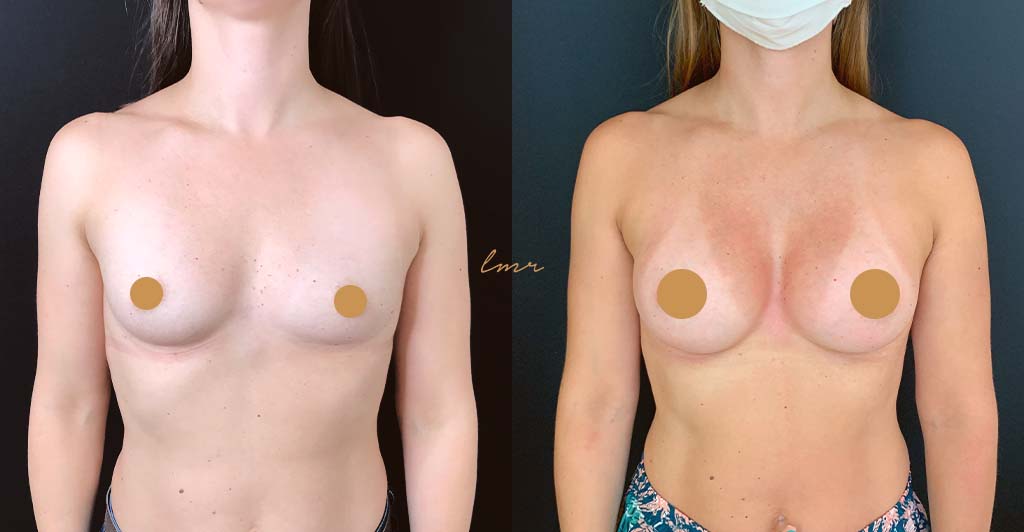
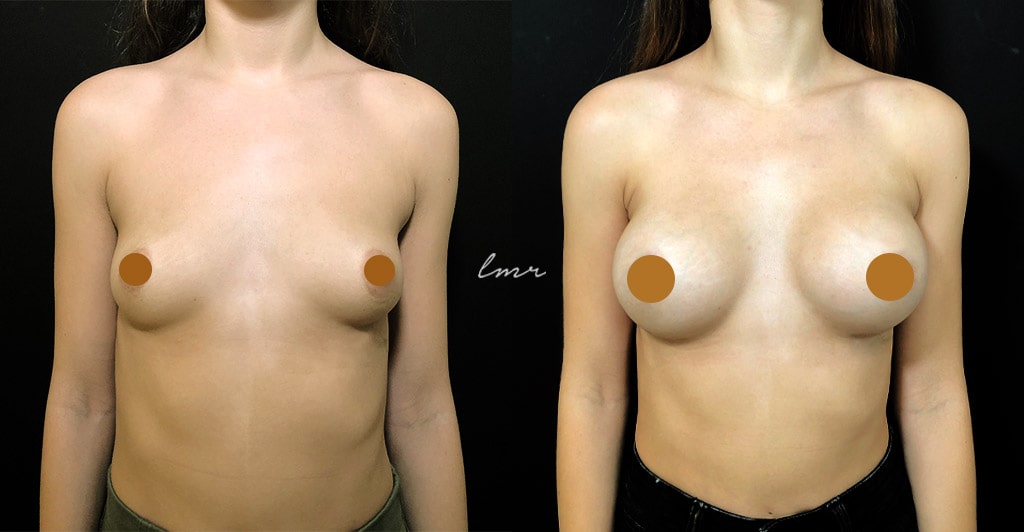
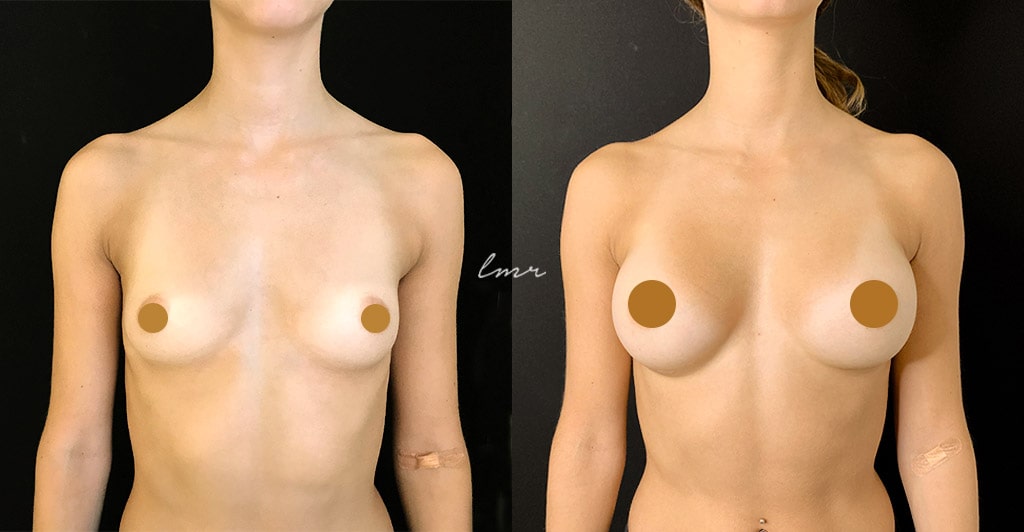
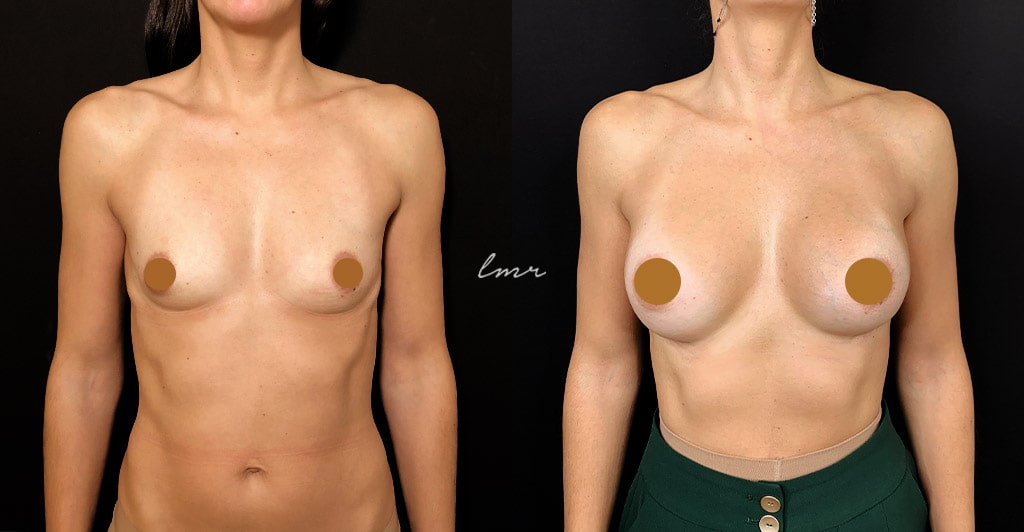
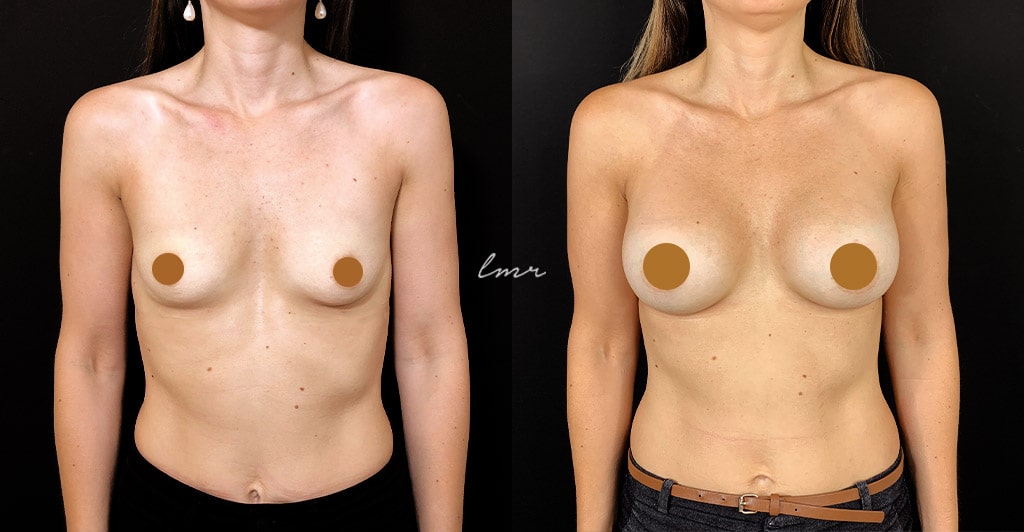
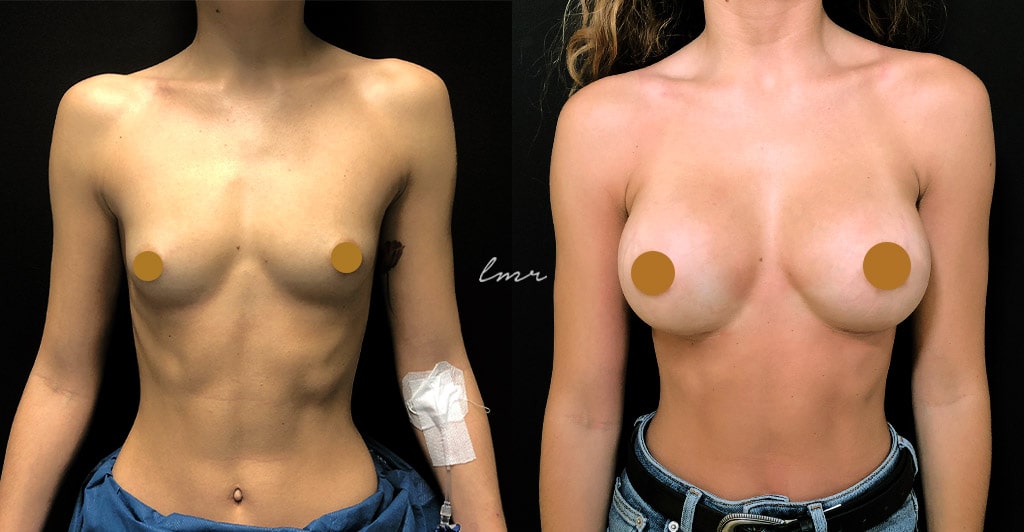
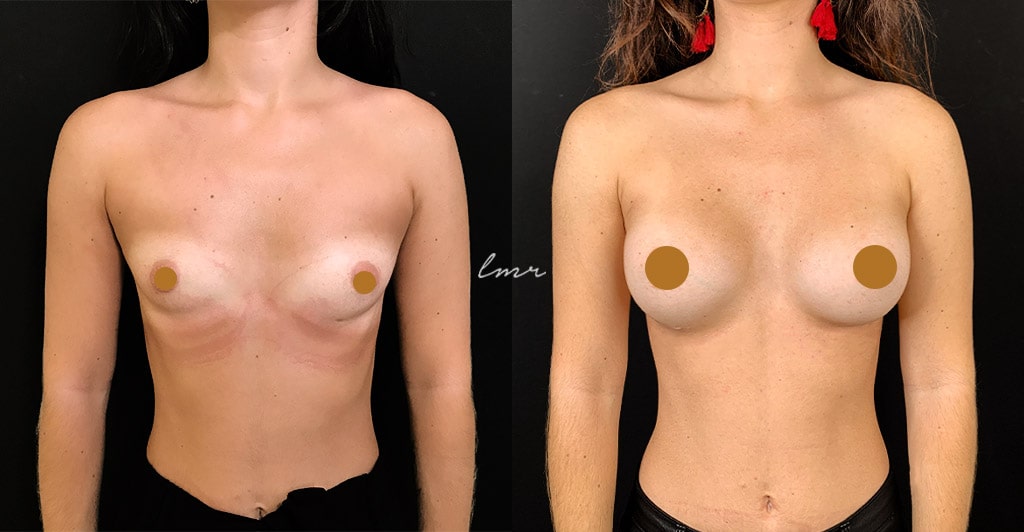
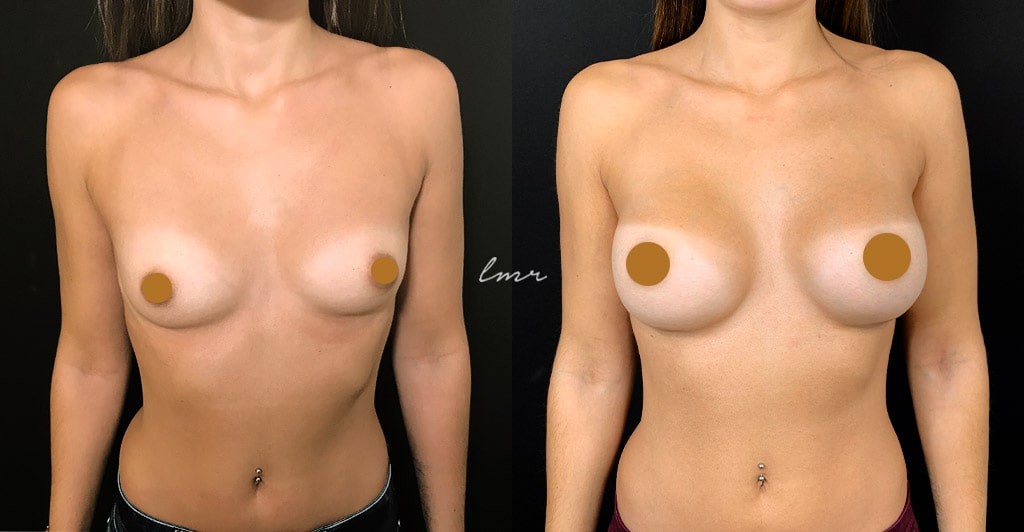
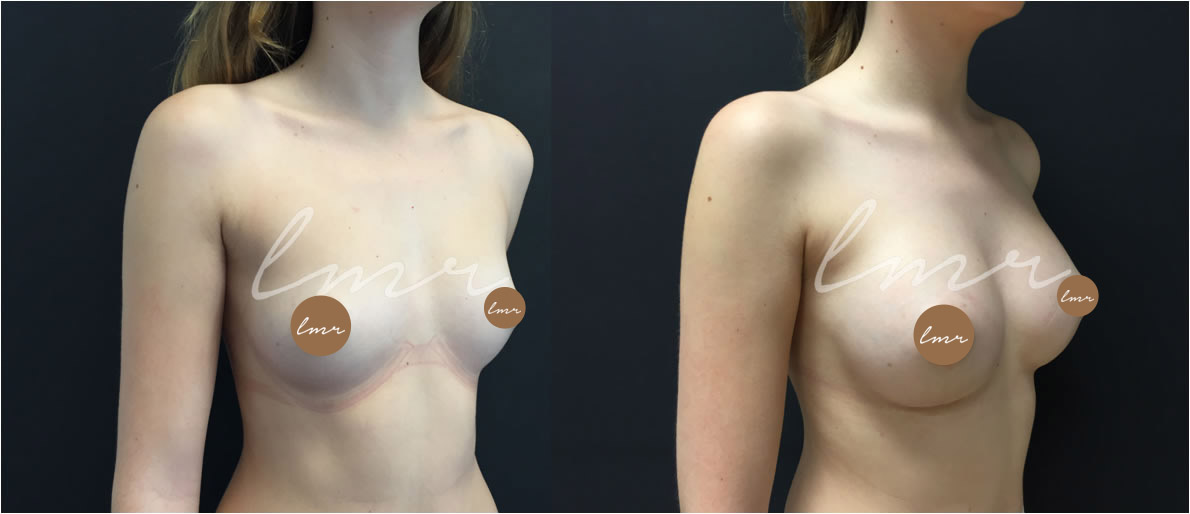
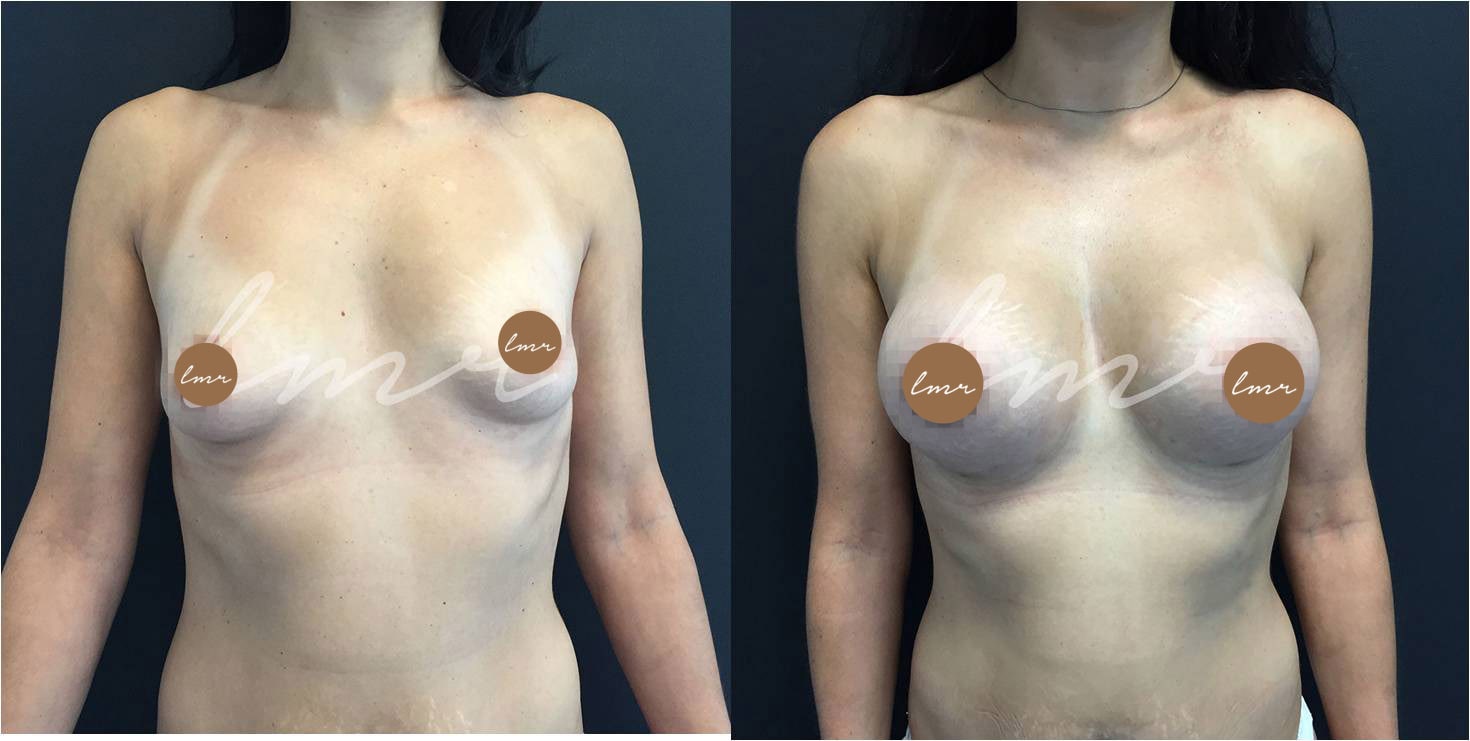
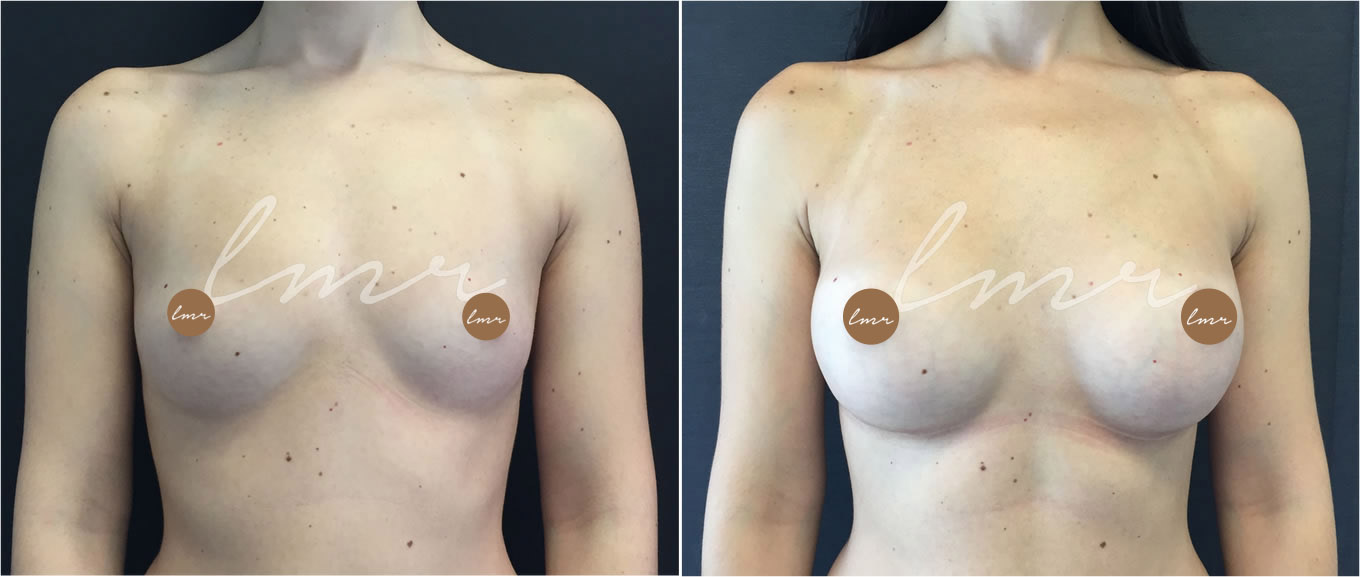
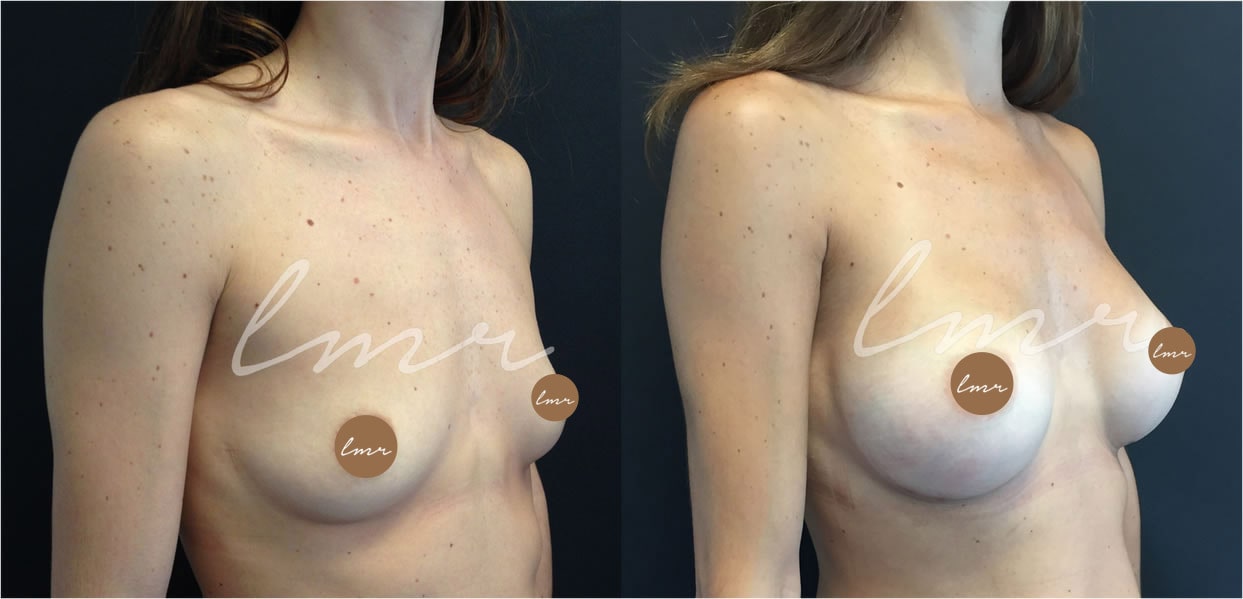
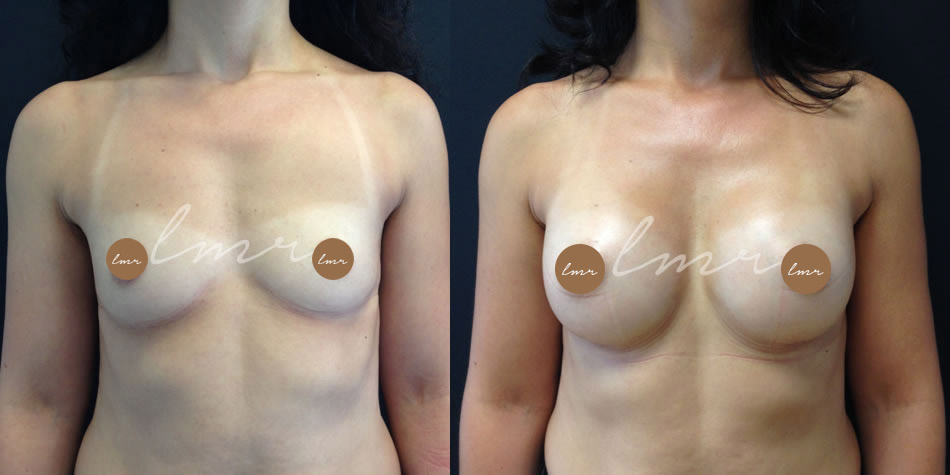
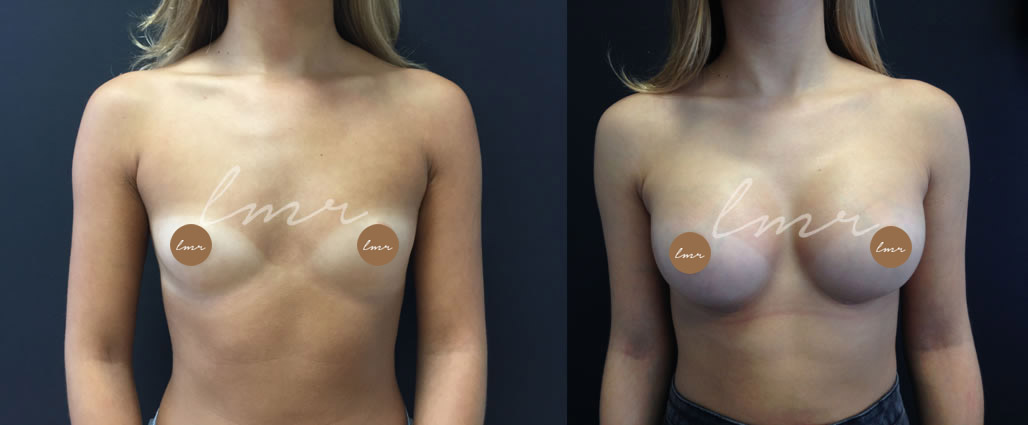
The aim of breast augmentation is to increase the volume and projection of the breast by inserting silicone prostheses.

Harmonised body contour
The use of breast implants of different sizes and shapes makes it possible to make choices that respect a woman's physical characteristics and desires. The aim is to achieve firmer, rounder breasts that are in balance with the body profile.

Neckline more
Completed
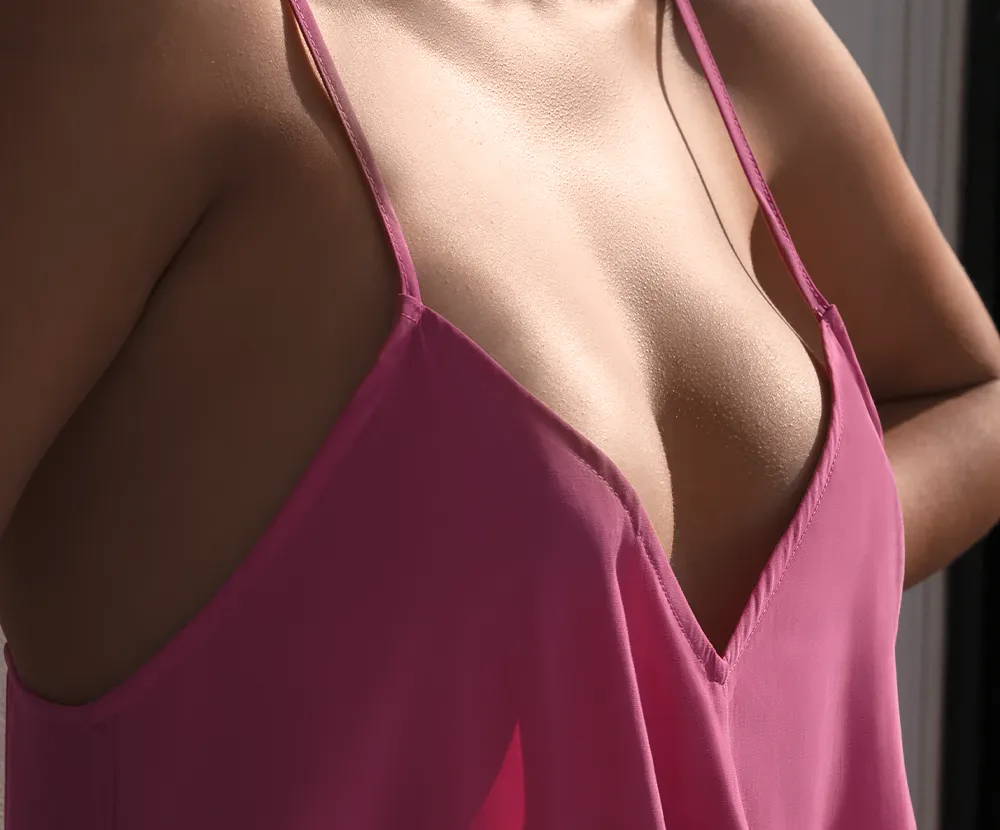
As well as achieving a more harmonious shape, breast augmentation allows you to show off a fuller, more beautiful and natural neckline.

Better symmetry
Breast
We are asymmetrical by nature and the breast is no exception. In some cases, breast implants make it possible to improve breast asymmetry.

Beautiful Chest
and Natural
We believe in long-lasting, natural results. During your breast augmentation consultation, a 3D simulation will be made of different sizes and shapes to give you an idea of the result that can be achieved.
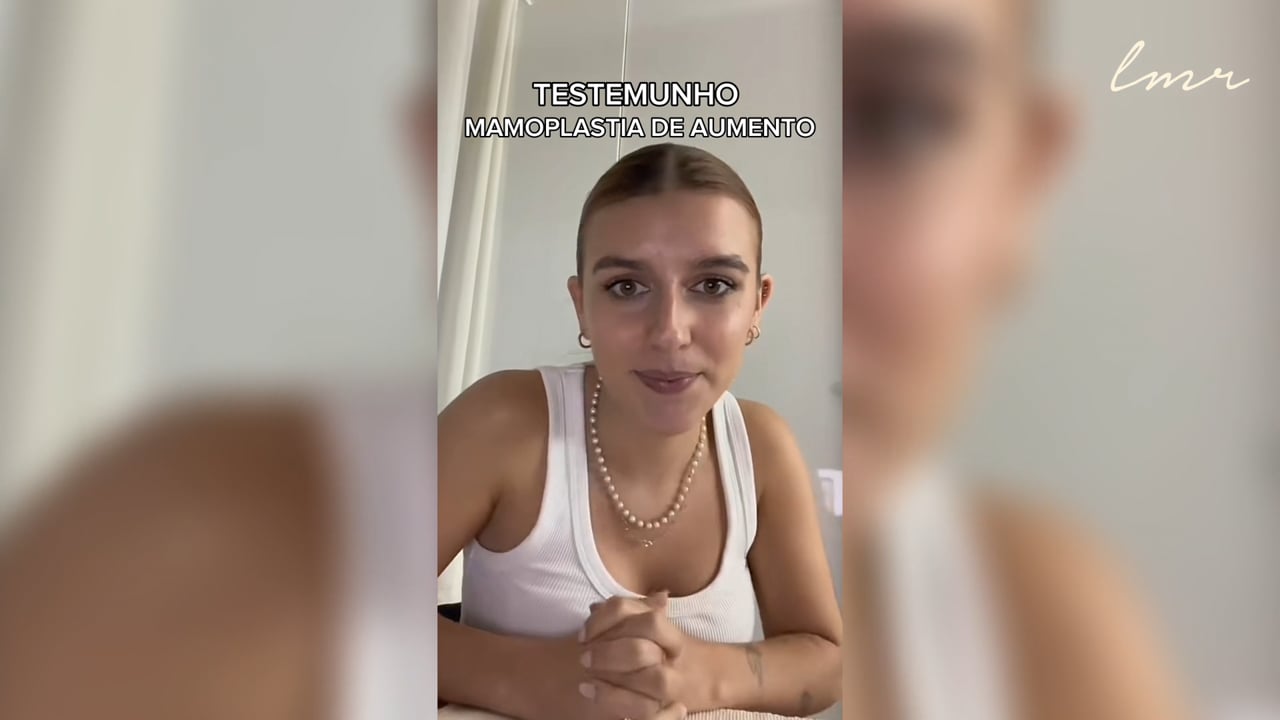
Testimonials of our patients
Read real-life stories of transformation, confidence and wellbeing shared by people who have chosen to receive medical care at Clínica LMR in Lisbon, Porto and Cascais.
Video Stories
Written Testimonials

«I’m absolutely delighted with the results. I feel really proud of my new figure. Dr Luísa helped me identify the problem areas and answered all the questions I had.»

«Today I feel like a more beautiful and self-confident woman. I feel more inclined to make an effort with my appearance and to wear clothes that show off my décolletage. The intimate surgery has had a very positive impact on my life, as it wasn’t just a matter of appearance but, above all, a matter of health.»

«I’ve gained more self-esteem and self-confidence, and I’m able to tackle new challenges with greater confidence and conviction.»

«I’m lost for words – I never thought the impact would be so great or that the result would look so natural. People who know me well say I look like a different person and that I radiate more joy and confidence.»
Surgery Procedure
breast augmentation
Breast augmentation is a surgery whose results differ for each patient, since
that the aim is to meet the individual expectations of each woman.
How to choose breast implants?

1. A chat with the doctor
The patient explains the result they want - large or small breasts, a natural or more obvious result, a rounder or droopy shape, a very full neckline or a more natural one, etc. Some patients show us some cases from our before and after breast augmentation gallery to better explain what they want.

2. Size selection
After understanding the patient's expectations, we present several samples of breast implants in different sizes. The patient can try on several sizes to see which she feels most comfortable with.

3. 3D simulation
The images are taken with the Vectra XT 3D simulator. Once the images have been taken, the patient can see the result that can be achieved with different sizes and shapes of breast implants.

4. Presentation of the Rapid Recovery protocol
At our clinic, we apply the Rapid Recovery / 24h Recovery in all breast augmentation surgeries, allowing the patient to have a comfortable, short and mobile recovery hours after surgery.

5. Clarification of doubts
If in doubt, the patient doesn't have to make a definitive decision at the consultation. Breast augmentation is an important moment and the patient should feel comfortable and confident with her decision. Our team is always available to review all decisions so that you are 100% comfortable with the decision.

6. Budget
After the diagnostic medical consultation, you will be given an exact quote for your breast augmentation according to the surgical plan that has been drawn up.

7. Psychological assessment
For us, your well-being and mental health are a priority. Therefore, before the surgery we carry out a psychological assessment to ensure that you have the necessary conditions to undergo the procedure and that you are aware of the impact it could have on your life.
Type of Breast Implants
Because no two women's physical structures are the same and because women don't all want the same result, the different ranges of breast implants allow the plastic surgeons at the LMR Plastic Surgery Clinic to adapt the choice of implants to the results each woman wants to achieve.
There is a great diversity of breast prostheses of different sizes, shapes, projections and coatings.
The choice of prosthesis is discussed in consultation, depending on the woman's physical characteristics and the goals she wants to achieve with the surgery.
SizeDifferent brands offer different sizes of breast implants, ranging from 55 to 1000 cc's, and in some cases they can be custom-made.
WeightB-lite implants are 30% lighter than conventional implants, offering advantages in some situations.
Projection/ProfileThe projection of the implants is just as important as the size, as it will define the shape, height and projection of the breast. There are several types of projection: low, moderate, high and super high profile.
FormatThe most common shapes are round implants and anatomical or drop implants. However, there are other shapes such as conical implants, which we don't use in our clinic.
CoatingAs for the coating, there are implants with a smooth, textured, microtextured and polyurethane coating.
Type of Anaesthesia
Breast augmentation is usually performed under sedation and local anaesthesia. The sedation is administered by the anaesthetist intravenously so that the patient falls asleep and doesn't notice or feel anything during the entire operation. However, she will continue to breathe on her own, as if she were sound asleep.
Local anaesthetics are then injected into the area to be treated, leading to a loss of sensitivity to pain. As the patient is already asleep, she won't feel the stings. The anaesthetist will be present throughout the operation to ensure the patient's comfort and safety, and will wake her up at the end of the operation before she is transferred to recovery.
Type of Incision - Scar
Any type of surgery leaves scars and breast augmentation is no exception. However, the scars from this procedure are small and very well disguised:

1. Infra-mammary scar
The inframammary scar is the most common and is hidden in the natural fold of the breast so is not visible to the naked eye. This type of incision allows the plastic surgeon excellent visualisation of the operated area with direct access to the place where the breast implant will be placed. It is the most suitable scar for women who wish to breastfeed in the future as it does not affect the mammary gland or the ducts responsible for transporting milk to the outside of the breast.
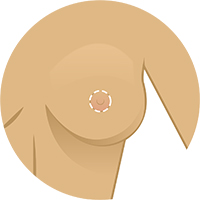
2. Periareolar scar
The periareolar incision is made in the lower area of the areola, at the transition from the areolar tissue to the skin of the breast. This is where the scar is most concealed, due to the natural colour transition in this area. This approach is often used when a woman has a slightly sagging breast but not enough to have a breast lift. The periareolar scar is also common in cases of correction of small breast asymmetries and also in cases of tuberous breast correction where it is necessary to reduce the size of the areola.
3D simulation breast augmentation
We were the first clinic in Portugal to make real-time simulation available to our patients.
Vectra XT 3D is revolutionary software that makes it possible to visualise the before and after of breast augmentation in real time, allowing patients to get an idea of the results they can achieve with different types and sizes of silicone prostheses, thus managing their expectations in a more realistic way.
What's more, if there is any doubt about the size or shape, during the surgery it is possible to determine which implant is best for that particular woman, as there are moulds available, the “sizers”. Sizers are moulds similar to real breast implants, which can be tried on during surgery in order to predict the best result.

Augmentation surgery
breast step by step
Breast augmentation is one of
important decision and, as such, the woman must
be aware of the
surgical procedure and recovery.
We applied the Rapid Recovery,
in all breast augmentation surgeries, enabling
that the patient has a comfortable, short and comfortable recovery.
mobility, hours after surgery.
The intervention follows these phases:

1
MARKING THE STANDING PATIENT
When the patient is standing, it is possible to correctly visualise the position of the breast and the exact place where the incision will be made.
2
SEDATION
Breast augmentation is usually performed under local anaesthesia and sedation. Sedation is administered intravenously by the anaesthetist, who will be present throughout the surgery.
3
DISINFECTION AND PLACEMENT OF SURGICAL DRAPES
The entire chest area is disinfected with antiseptic solutions to reduce the risk of infection. Operating drapes are placed to isolate the area to be operated on from the external environment.
4
LOCAL ANAESTHETIC
Injection of local anaesthetic: as the patient is already sedated, she won't feel the injections or any pain during the surgery.
5
THE INCISIONS
The incision is made according to the previously chosen technique: inframammary or periareolar.
6
BAG DETACHMENT
A pocket is created for placing the implants - subglandular, submuscular, subfascial or dual plane.
7
PLACING SIZERS
Sizers are samples similar to real implants that are placed before the real implants to ensure that the result matches the patient's expectations.
8
BATHING THE IMPLANT IN ANTIBIOTICS AND INTRODUCING THEM
The aim is to reduce the risk of infection. After bathing in triple antibiotic therapy, the implant is then placed.
9
INCISION CLOSURE
The incisions are closed in planes using absorbable thread. The patient is then seated on the couch to check the result and symmetry.
10
SURGICAL GLUE
The surgical glue seals the skin, requires no dressings and gradually falls off after 15 days. The patient can shower as the scar is completely isolated.
11
RECOVERY
After waking up, the patient is taken to recovery where the surgical bra and compression band are put on. Discharge is expected 6 to 8 hours after surgery.
12
Post-surgical follow-up
After discharge, our team is available to answer any questions you may have. In the post-operative period, you should have manual lymphatic drainage, wear a compression bra and be observed by our team.
Preparation for breast augmentation
Any surgery requires preparation and this is no exception.
We recommend that all our patients prepare themselves a few days before the surgery and follow all the medical instructions to arrive at the day of the procedure more relaxed.

Before Surgery
- Do not take aspirin or any anticoagulant medication two weeks before breast augmentation. On the day of the appointment, you should inform the medical team of any medication you are taking.
- Do not smoke for a fortnight before and after surgery as nicotine consumption compromises tissue oxygenation, negatively affecting healing.
- If you catch a cold or suffer from a bad mood in the days before surgery, you should inform the medical team immediately.
- Read all the documentation a few days before the surgery as there may be some questions.
- If you have babies or young children, organise your routines in advance and you'll need help at home.

Surgery Day
- The day before and the day of surgery you should eat light meals that don't cause indigestion. You should fast for 8 hours - do not eat or drink any liquid, including water.
- Bathe with the prescribed antiseptic gel the day before and the day of surgery.
- No jewellery or watches, no make-up or nail polish.
- Bring comfortable clothes to wear when you are discharged - preferably with buttons or zips to avoid raising your arms.
- After discharge, you cannot go home alone or drive. If you don't have someone to drive you home, you must inform us before the day of the operation.
- If you live outside Lisbon, more than a 60-minute journey away, you can't go home the same day and must either stay overnight at the clinic or choose accommodation nearby, accompanied by a family member. Our team will be happy to help you with the logistics.
If you already have an idea of
desired result, book an appointment to simulate your 3D Breast Augmentation!

Benefits breast augmentation
The benefits of breast augmentation are many and go beyond increasing the size and projection of the breast. Women who have had breast augmentation surgery report the following benefits:
Increased self-esteemThere's no doubt that a more beautiful chest has a direct impact on a woman's self-esteem. Women feel more feminine and attractive, and therefore more self-confident.
More clothing optionsWith a fuller chest, women who have undergone breast augmentation feel more comfortable wearing certain clothes, particularly those with more pronounced necklines.
Body proportion: Breast augmentation can improve body proportion. For example, a woman who is very thin in the upper limbs and has small breasts but wider hips could benefit from a breast augmentation, improving the balance and proportion between the lower and upper body.
Rejuvenated appearancea full, rounded breast is a sign of youth. Breast augmentation will make a woman feel attractive and rejuvenated.
“Bespoke neckline”The result of breast augmentation is not standardised. Women can choose the size and shape they want. That's why various types of breast implants are available - different brands, sizes, shapes, profiles and coatings.
Rapid recovery from breast augmentation
The Rapid Recovery Protocol is the technique we have used in all breast surgeries, including breast augmentation. It consists of a set of practices that optimise surgical safety and also recovery time.
The success of this technique requires careful planning of all stages: consultation, surgery and post-surgery.
At our clinic we have been using the Rapid Recovery technique for more than 10 years, with experience and results proven by the low percentage of complications.
Our aim is for recovery to be as comfortable and fast as possible, but always prioritising safety and low complications. More important than recovering quickly is that everything goes smoothly, without avoidable complications.
Each body is different, each case is different. Whilst it's true that the majority of women go through surgery extremely comfortably, it's still necessary to allow time for a smooth recovery, so as not to precipitate unnecessary complications. O full recovery time of a breast augmentation always ends up going for at least 4 weeks.
At an early stage, there is a lot of oedema and you shouldn't exert yourself physically for the first 4 weeks to reduce the risk of haematomas and seromas. Wanting to rush recovery can be counterproductive and end up causing more complications in the short/medium term.
Medical Specialists

About
Dr Luísa Magalhães Ramos / Plastic Surgery
DOCTORS' ASSOCIATION: registration no. 42810, specialising in Reconstructive and Aesthetic Plastic Surgery.
Graduated from the Faculty of Medicine of the University of Porto, specialising in Plastic, Reconstructive and Aesthetic Surgery, He specialised in University Hospital Centre Lisboa Central - St Joseph's Hospital.
Throughout his training, he sub-specialised in the area of Aesthetic Plastic Surgery, He has worked in world-renowned centres. At the same time, he also worked on breast reconstruction and the reconstruction of facial malformations.
She is currently working mainly on Aesthetic Plastic Surgery of the Face (eyelids, nose and cervical-facial lift), Breast Surgery and Female Genital Surgery.


About
Dr Alice Varanda Pereira / Plastic Surgery
DOCTORS' ASSOCIATION: registration no. 47051, specialist in Reconstructive and Aesthetic Plastic Surgery and Subspecialist in Aesthetic and Cosmetic Medicine.
Graduated by Lisbon Medical School, It was at this institution that she took her Master's degree in Human Sexuality and is currently working on her PhD.
She has been a member of the faculty's teaching staff since 2008, as Assistant Professor at the Institute of Anatomy. It is in this unit that she produces most of her research projects, essentially in the area of surgical anatomy, and she is also the supervisor of master's theses.

About
Dr Mariana da Rocha Martins/ Plastic Surgery
DOCTORS' ASSOCIATION: registration no. 55124, specialising in Reconstructive and Aesthetic Plastic Surgery.
He graduated from Abel Salazar Institute of Biomedical Sciences at the University of Porto and completed his speciality in Plastic, Reconstructive and Aesthetic Surgery at the University Hospital Centre Lisboa Central - St Joseph's Hospital.
During her specific training in Plastic Surgery, she worked at internationally renowned institutions such as the Kaplan Institute (Barcelona), in La Clinic (Montreux) and Great Ormond Street Hospital (London).

About
Dr Marta Gouveia Duarte/ Plastic Surgery
DOCTORS' ASSOCIATION: registration no. 57817, specialising in Reconstructive and Aesthetic Plastic Surgery.
Graduated in Medicine from School of Health Sciences, University of Minho, where she completed her Master's thesis in Human Ageing.
He completed his speciality in Plastic, Reconstructive and Aesthetic Surgery at the Centro Hospitalar de Lisboa Central - Hospital de São José.
Collaborates in various research projects in NOVA Medical School.

About
Dr Sara Carvalho / Plastic Surgery
DOCTORS' ASSOCIATION: registration no. 60781, specialising in Reconstructive and Aesthetic Plastic Surgery.
Graduated by Lisbon Medical SchoolShe completed her speciality in Reconstructive and Aesthetic Plastic Surgery at the Centro Hospitalar Lisboa Central - Hospital de São José.
She has taken various courses in aesthetic and reconstructive surgery of the breast and aesthetic surgery of the face.
She is currently a member of the clinical staff of the Reconstructive and Aesthetic Plastic Surgery service at the Centro Hospitalar Lisboa Central, where she excels in the areas of Breast Reconstruction, Body Contouring and Post-Bariatric Surgery, Paediatric Plastic Surgery, Trauma and Burn Surgery. She works as a hospital assistant, is a training supervisor and is responsible for Safe Surgery at the institution.

About
Dr Maria Albuquerque / Plastic Surgery
DOCTORS' ASSOCIATION: Ballot No. 68127.
Graduated in Medicine from Faculty of Medicine, University of Coimbra, is currently completing her specialist training in Plastic, Reconstructive and Aesthetic Surgery at the São José Local Health Unit, in Lisbon.
Throughout his training, he undertook work placements at internationally renowned centres, notably at the Great Ormond Street Hospital, in London, at the Dr Piñal’s Hand and Wrist Surgery Centre, in Spain, and in the UZ Gent, in Belgium, where he further developed his skills in the fields of reconstructive surgery, hand surgery and microsurgery.
Her main areas of interest include body contouring surgery, breast surgery, hand surgery and microsurgery.
She regularly takes part in national and international conferences and is the author and co-author of scientific papers and publications in the field of plastic surgery.
He is a member of the International Society of Aesthetic Plastic Surgery (ISAPS), the Portuguese Society of Plastic, Reconstructive and Aesthetic Surgery, and the Portuguese Society of Hand Surgery.

About
Dr Filipa Oliveira/ Plastic Surgery
DOCTORS' ASSOCIATION: registration no. 59147, specialising in Reconstructive and Aesthetic Plastic Surgery.
Graduated in Medicine from Faculty of Medicine, University of Porto, where she completed her master's thesis on paediatric scars.
She holds a doctorate in medicine from the University of Münster in Germany.
After completing her speciality, she became a Senior Graduate Assistant (Oberärztin) at the Fachklinik Hornheide and the University of Münster. She is currently collaborating on various research projects at the University of Münster, where she is supervising doctoral students. Dr. Filipa is also a regular correspondent for scientific and leisure magazines in Germany.


Frequently Asked Questions about
Rapid Recovery Breast Augmentation
Is breast augmentation a safe surgery?
Breast augmentation is the most commonly performed surgery worldwide, with a relatively low degree of complexity. However, like any other surgical procedure, breast augmentation is not without potential risks and complications. It is extremely important that you choose a reconstructive and aesthetic plastic surgeon with several years' experience in breast augmentation and proven results.
How much does breast augmentation cost (Lisbon, Porto or Cascais)?
The price of a breast augmentation, whether carried out in Lisbon, Porto or Cascais, depends not only on the type of implants chosen for your case but also on the surgical techniques required. Each case is different and there are no standard solutions. If you're still evaluating the price of a breast augmentation and haven't made up your mind, it's important to consider the following elements to avoid unexpected costs:
- Breast implants (consider brand and type)
- Operating theatre
- Medical and nursing staff
- Anaesthesia
- Post-operative medication
- Nursing care
- Review consultations
- Surgical bra and band
- Lymphatic drainage
As each case is different, to find out the best breast augmentation price for your specific case, please get in touch using this Contact Form for Quotation Requests.
Does breast augmentation correct sagging breasts?
Women with breast ptosis (sagging breasts) can have breast implants fitted. However, in most cases, breast implants are not enough to correct the sagging breasts. A sagging breast with little volume can be improved with a mastopexy with prostheses, which simultaneously lifts and increases the size of the breast.
Is it better in front of or behind the muscle?
Both techniques are used and each has its advantages and disadvantages. Whether the prosthesis is placed in front of or behind the muscle depends on the patient's physical characteristics and the desired results. The technique in front of the muscle is generally indicated for patients with sufficient breast tissue/skin thickness to cover the implant and achieve a natural result. The technique behind the muscle is generally indicated for patients with little breast tissue/thinner skin, without sufficient coverage for the implant.
Are breast implants lifelong?
Breast implants are very resistant and are made to last for many years. However, a woman wishing to have a breast augmentation should weigh up the advantages and disadvantages, as there are no lifetime prostheses and you may need revision surgery after a few years.
What brands of implants do we use?
At LMR Plastic Surgery, both in Lisbon and Porto, we use implants certified and approved by the FDA - Mentor, Polytech and Eurosilicone.
Do the scars disappear?
As with any surgery, breast augmentation involves permanent scars. However, because they are located in the inframammary fold or in the transition between the skin of the breast and the areola, they are usually very well disguised. At first they are reddish in colour, but as time goes by they become thinner and lighter.
Will I need drains?
Where necessary, drains are placed and removed after 24 to 48 hours.
What are the risks and complications of breast augmentation?
Although infrequent, the most common complications of breast augmentation surgery are the risks associated with anaesthesia, haematoma, oedema, infection, capsular contracture, displacement and rupture of the implant. Fortunately, this is an extremely safe procedure as long as it is performed by a suitably qualified professional and in a surgical unit accredited for the purpose. To minimise the rate of complications, it is extremely important that you follow the doctor's instructions regarding recovery and post-operative care.
When will I have the stitches removed?
Generally, the stitches from breast augmentation are absorbable, so they don't need to be removed.
What is capsular contracture?
When the body receives the breast implant, it forms a membrane (scar tissue) around it. Over time, this membrane can become thicker, deforming the implant. Capsular contracture has four degrees - the most severe form is commonly known as implant rejection. Treatment for capsular contracture involves removing the internal capsule and replacing it with new prostheses.
Does breast augmentation interfere with breastfeeding?
Interference with breastfeeding is a potential risk of surgery. However, most women who have breast augmentation are able to give their babies milk. The inframammary incision is the technique that least interferes with future breastfeeding. In the case of the areolar incision, where implants are inserted through the areola, the cut is made in the mammary ducts (pathways through which milk passes to reach the outside of the breast). Because of the cut, these ducts can be damaged, making it difficult for milk to pass through and even produce. If you want to become a mum, you should discuss this with your medical team so that the most appropriate techniques can be chosen to preserve the integrity of the areola and nipple.
Are there more risks of breast cancer in women with implants?
There are no studies showing that there is an association between breast cancer and breast implants. Another question is whether, after having a breast augmentation, it is possible to continue having screening tests, namely mammography and breast ultrasound. The tests can and should continue to be carried out. In specific cases, or to clarify any doubts, it may be necessary to carry out additional tests.
Does breast augmentation alter nipple sensitivity?
Most women who undergo breast augmentation report changes in sensitivity after surgery. However, these changes are mostly transient and return to normal after a few months. Permanent changes in sensitivity are rare.
Will I be in pain?
The post-operative period of this procedure is generally well tolerated. In the days following surgery, you may experience moderate pain, discomfort and swelling. Rest and taking the prescribed medication will help relieve the discomfort.
How long does the swelling last?
After breast augmentation, the body begins the process of regeneration, during which the operated area will need more nutrients and oxygen and circulation will increase, resulting in oedema (swelling). During this period, which may last a few weeks, visible swelling, a feeling of heaviness or tightness in the breast area is normal. However, this is a transitory situation, which will improve over the course of weeks - usually 4 to 16 weeks. Lymphatic drainage sessions are extremely important as they help the body to eliminate excess fluids, which are responsible for post-operative swelling.
What is BIA-ALCL?
BIA-ALCL, anaplastic large cell lymphoma, is a rare cancer of the immune system. A number of articles have recently appeared linking textured breast implants to this type of cancer. Research in this area has not yet provided a definitive answer to the causes of BIA-ALCL and its association with textured implants. BIA-ALCL is an extremely rare type of lymphoma with an incidence of 1 in 30,000 people and, if diagnosed early, is a curable disease. If you have textured implants but don't have any symptoms, there is no cause for concern and no indication to remove the implants as a precaution. We recommend breast self-examination every month, ultrasounds and mammograms according to medical indications and review appointments recommended by your plastic surgeon. If you experience sudden swelling or pain, years after your surgery, you should contact your plastic surgeon immediately.
What is silicone implant disease?
Silicone implant disease is a term that refers to the appearance of certain symptoms following the placement of implants. These symptoms can appear immediately or a few years after surgery. Silicone implant disease is not associated with a specific type of implant and can appear with any type of implant - silicone or saline, smooth-coated, textured, microtextured or polyurethane, round or drop-shaped.
There are no medical tests that confirm the diagnosis of silicone implant disease, nor are there any studies that indicate the number of women with breast implants who have developed symptoms. The symptoms of silicone implant disease are common to other medical conditions, so it's important to rule out that the symptoms presented are not related to another undiagnosed condition.
Implant disease can be treated by removing the implants or replacing them. Each case is different and must be assessed individually.
Is it true that I should choose a larger size because they will swell?
After surgery and for some time afterwards, the breast will be swollen due to post-operative oedema. Over the course of the recovery process, the post-operative swelling decreases, as does the volume, until the final result is achieved. The choice of breast implant size is always made on the basis of the patient's physical characteristics and already anticipates that, during the first few months, the size of the breast may appear larger due to oedema.
I want to have a breast augmentation. Can I have a tele-consultation?
Yes, it is possible to realise a online breast augmentation consultation. This is done live via the Zoom application, using a camera, so that the patient and doctor can get to know each other and empathise more easily.
During the online consultation, a 3D simulation using Crisalix simulation software, which allows you to visualise in real time the results that can be achieved with different types of implants, sizes, shapes and projections.
During the 45-minute consultation, you'll have the opportunity to clarify all your doubts about preparing for surgery, the day of surgery and recovery. At the end of the consultation, you'll have all the information you need to make a decision and book your surgery.
Is it possible to minimise or disguise the scars resulting from breast augmentation?
The appearance of scars can be influenced by various factors, including individual genetics and post-operative care. There are measures that can help the breast augmentation healing process, such as using skin care products recommended by the surgeon, avoiding direct sun exposure and following post-operative instructions to the letter. Although they may be visible initially, the scars tend to fade and become less noticeable over time.
What are the options for dealing with visible scars after breast augmentation surgery?
It is possible to minimise the visibility of breast augmentation scars by using good incision techniques, appropriate skin care products, and possibly carrying out additional treatments such as laser or scar revision surgery.
What is Rapid Recovery in Breast Augmentation and how does it differ from traditional recovery?
Rapid recovery, also commonly known as R24R, associated with breast augmentation surgery focuses on minimising recovery time and returning the patient to daily activities more quickly. It involves various practices throughout the patient's journey, such as the use of advanced surgical techniques, more effective pain control and specific post-operative care strategies to speed up the recovery process compared to the traditional approach. The main aim is for recovery to be as comfortable and quick as possible, but always prioritising safety. More important than recovering quickly is that everything goes smoothly, without avoidable complications.
When can I start exercising again?
You can usually return to physical activity one month after surgery. However, it is recommended that you get your doctor's approval before starting.
What factors influence the total cost of a breast augmentation in Portugal?
The cost of breast augmentation surgery can vary significantly from patient to patient, as the final value of the surgery is influenced by several factors. Some of these factors may include the surgeon's experience, the choice of implants, the type of anaesthesia, the location of the surgery and any additional procedures required. The best way to get an estimate of the cost of breast augmentation, based on your individual needs and goals, is to have a consultation with a qualified plastic surgeon and request a quote.
Are there financing options or payment plans available to pay for a breast augmentation?
Having financing options to help patients manage the cost of surgery is often a crucial factor in choosing the plastic surgeon and clinic where breast augmentation is performed. At LMR, we have payment facilities to make it easier to pay for breast augmentation surgery. Patients should be aware of the payment policies and requirements associated with these options at their initial consultation so that they can make informed decisions about financing their breast augmentation. For more information on payment facilities, please contact us using the contact form or by email - geral@lmrcirurgiaplastica.pt.
What's the difference between breast augmentation and Mia®?
Traditional breast augmentation is indicated for women looking for a greater variety of volumes and techniques in breast augmentation.
Mia® is a minimally invasive breast harmonisation technique designed for those looking for a more subtle result with less recovery time.
It differs in that it is performed through the armpit, without scars directly on the breast, with a less invasive approach and a tendency for the post-operative period to be simpler.
The indication for each procedure always depends on each patient's anatomy, objectives and medical assessment.