What is postpartum recovery?
The pregnancy, Although it is a natural process for women, it leaves its mark because the bodily changes don't disappear immediately after the baby is born. The anatomical and physiological changes that take place in a woman's body during the 9 months of pregnancy are the result of the effect of hormones such as oestrogen and progesterone on the body's tissues to prepare it for pregnancy, childbirth and breastfeeding.
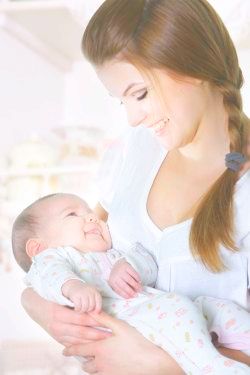 The pregnancy is a process of new transformations in a woman's body, slowly and gradually, taking between 8 and 10 months for the woman's body to return to its old shape.
During pregnancy, it's common for weight to increase, breasts to enlarge, stretch marks to appear and even spots to appear on the skin.
Mums need to be aware that the postpartum recovery it will take some time and what preventive actions are most effective in getting the body back to what it was before. Moisturising the skin throughout pregnancy allows it to remain more elastic and return to its previous shape more easily, minimising the appearance of stretch marks. A healthy diet also prevents excess weight during pregnancy. Breastfeeding promotes weight loss, but also brings inconveniences in relation to the breast and nipple.
Many of these changes remain even after childbirth because the body's response to postpartum recovery is dependent on genetic factors and the woman's previous physical state before becoming pregnant. Toned muscles and skin, moisturised skin and the absence of stretch marks before becoming pregnant are an important contributor to recovering these characteristics after giving birth.
Which cosmetic surgeries can improve the appearance of the body after giving birth?
In postpartum recovery, even after the weight has recovered from before pregnancy, As a result, the mother may experience permanent changes to her body shape (localised fat), sagging breasts, enlarged aureoles, stretch marks and sagging skin. Although it's a happy time for the woman, these changes make the mum feel nostalgic for her old body.
For these cases, there are a number of cosmetic surgeries that can correct the unwanted changes that appear during the postpartum recovery.
Many plastic surgeons say that a woman should wait at least 12 months after the birth of her baby before undergoing cosmetic surgery and that the woman's body weight must still be very close to ideal.
Peels and laser sessions can combat skin blemishes, for example.
Liposuction is one of the most commonly performed surgical procedures to remove excess fat accumulated in the belly area.
Excess skin appears on almost all women after pregnancy. This is because there is a large increase in abdominal volume, which causes the skin to stretch. In cases where, in addition to accumulated fat, there is also excess skin, an abdominoplasty or lipoabdominoplasty may be advisable. A abdominoplasty is the removal of excess skin below the navel, It is also a surgical technique that can remove stretch marks between the navel and pubic hair. It is also a surgical technique that can remove stretch marks between the navel and the pubic hair. It can also correct a certain degree of muscle laxity in the abdominal wall by repositioning the strained rectus abdominis muscles. Correcting the muscle separation of the rectus abdominis is called rectus abdominis plication.
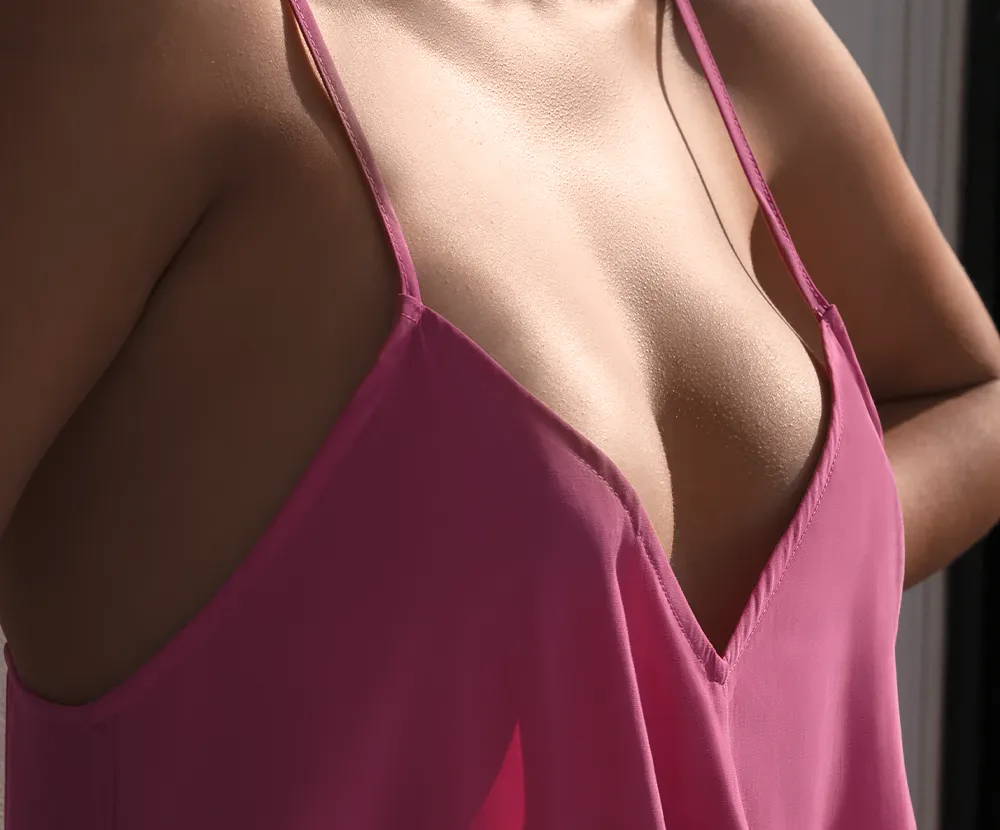
Excessive weight gain will also increase breast volume. Breast reduction is a surgical procedure that aims to reduce the size of the breasts. During surgery, glands, fat and skin are removed from the breast. As well as being used to reduce breast size, this surgery is also recommended for women with postpartum breast involution (women whose breasts have remained large). As well as improving mums' self-esteem, it also helps to correct posture and reduce back pain. Breast reduction is a safe surgical technique, provided it is performed by a competent and properly trained medical team. However, like other cosmetic surgeries, it is not without its complications. The techniques used ensure that breastfeeding function is not affected, allowing women to breastfeed in the future.
Stretch marks are a major problem during pregnancy, because even women who don't have them can develop them during pregnancy. pregnancy. The main areas of the body affected are the breasts, flanks, thighs and buttocks due to the abrupt stretching of inelastic skin. There are no medical treatment options that can eliminate them for good. However, there are methods that can produce very satisfactory results. Laser treatment, for example, is painless, produces good results and user satisfaction is usually high. The number of sessions depends on the degree of hydration and condition of the patient's skin and should be supplemented with the use of creams. The laser promotes the creation of new skin support cells (elastin and collagen).
Abdominoplasty can also be recommended for women who, after giving birth, are left with sagging abdominal skin and stretch marks. Abdominoplasty cannot remove stretch marks from the side or above the navel.